
Earlier this year, many of us in Topeka and northeast Kansas experienced rolling blackouts during a frigid winter day. The temperature was well below zero, tumbling toward minus-20 with the wind chill.
As bad as it was outside, going four whole hours without electricity seemed even more miserable. There was no work to be done without power and the Internet. We couldn’t watch TV, use the treadmill, wash the dishes, or do much of anything. To make it that much worse, the temperature fell below 60 degrees in our house for a while. It was like a shortened version of “Survivorman.”
In all seriousness, it did suck. But it also reminded me of a simpler time long before the Internet and long before we had cable or social media. Those were days when you had three channels and spent most of your time running around outside.
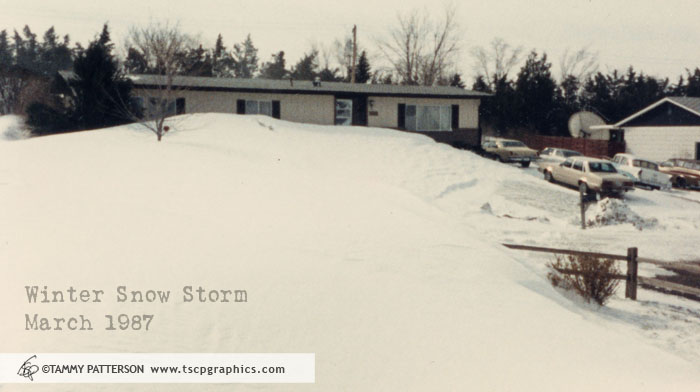
It also reminded me of the week that we didn’t have power when we lived in rural southwest Missouri, about 10 minutes south of Lebanon. Three days after Christmas that year, a snow and ice storm blasted the Midwest, leaving thousands in Missouri and Oklahoma without electricity.
According to a story in The Washington Post, some sections of the region got a foot of snow, causing airlines to cancel flights and sending cars sliding off highways blanketed with ice. Our power went out a few nights after the big day as we sat in the living room. Little did we know that we’d have no electricity for an entire week.
Fortunately, we’d never relied on electricity for heat. My father had been cutting wood for years, and we’d always had a wood stove. For seven days, my mother cooked meals on that stove and heated water for our baths. It was like living an episode of “Little House on the Prairie.”
We also were lucky to have a convenient store, the Russ Store, less than a quarter mile from our house, so we stocked up on candles, flashlights and other necessary items there. One of the vivid memories of a trip to the store that week is of the wealthiest person in the area filling his cart with every battery the store had, leaving nothing for everybody else. Needless to say, my dad was fuming when he saw the cart.
When we were at home, we played dozens of board and card games, even resorting to charades by candlelight in the dark. Unlike others who struggled to endure freezing temperatures, our giant wood stove in the middle of the house kept us warm all week.
Our entertainment during the day included sledding. We had the ideal landscape for that, with a slightly elevated hill running several hundred yards from the backyard all the way down to an open pasture between a wooded area with a makeshift dirt road. It was so icy that you could sled all the way from the yard to the bottom of the pasture.
Eventually, the power came back on. We stopped playing board games and went back to Atari. We traded charades for reruns of “Cheers.” The one thing I missed from that week was the home-cooked meals made on the wood-burning stove.
I try to remember that week when the power goes out these days. More often than not, it’s back on within a few hours. “It could always be worse, remember that week in 1987?” runs through my mind … then I log onto social media and am reminded that the simpler times without electricity weren’t that bad.
TWELVE DAYS OF CHRISTMAS 2021 SERIES
PART IX: A difficult job that ended up being a great experience
PART VIII: Dad’s craft show was a bond for many of us
PART VII: Dad, prison escapees and a scary week in Southwest Missouri
PART VI: An excerpt from the book I’m writing about Brenda Keller
PART V: Dad, my best friend and jars of baby sh$t
PART IV: Dad, “Big Swede” and hitting a guy in the head with a ladle
PART III: Dad, pinball and arcades